




Every test has its own value. However, many women are unclear about when or why fertility testing is required. While some women become pregnant naturally, others may face delays, and they are unsure about what to do next.
Fertility testing directs doctors toward the ideal step and helps offer the best treatment for you. You can consult your fertility specialist at the best IVF center in SiliguriCity or near your location for advice and direction.
When you know about fertility testing, this will lessen your anxiety. Knowing about fertility tests can give you clarity and confidence whether you are considering getting pregnant now or in the future.
Fertility Testing
A set of medical assessments known as fertility testing is conducted to see whether a woman has any disorders that could impair her ability to conceive. These examinations look at various aspects of female reproductive health, such as:
- The ovulation process
- Levels of hormones
- Egg reserve
- Fallopian tube health
- Uterine health
These tests help IVF doctors find underlying problems and, if necessary, develop a customized treatment.
When Is Fertility Testing Something Women Should Think About?
When fertility testing is important is a question that many women have, and under the following cases, doctors generally advise fertility assessments:
Women Under 35
After a year of unsuccessful attempts at conception, women under 35 should think about these tests.
Women Over 35
Because fertility in men and women naturally decreases with age, specifically, women 35 years of age and older can go for this if they notice any pregnancy delay.
You May Need Testing Right Away If You Have:
- Periods that are irregular or absent
- A history of miscarriages
- Endometriosis
- PMOS
- Inflammation of the pelvis
- Prior pelvic procedures
- Thyroid conditions
- Some reproductive health concerns
The likelihood of successful fertility outcomes or treatment can increase with timely diagnosis and medical care.
The Value of Fertility Testing
We have to understand that diagnosing infertility is not the main purpose of fertility testing. Plus, it aids women in understanding future family planning choices and their reproductive health.
Depending on the individual’s age, symptoms, and medical history, fertility doctors may advise several tests. The most popular fertility tests for women are listed below.
Among the advantages of fertility testing are:
- Recognizing abnormalities in hormones
- Identifying issues with ovulation
- Evaluating the amount and quality of eggs
- Identifying structural anomalies
- Developing focused treatment strategies
- Increasing the likelihood of conception
Once correctly detected, reproductive problems are often highly manageable under medical supervision.
Testing for Ovulation
The ovary releases an egg during ovulation. Since ovulation is necessary for pregnancy, doctors frequently start a fertility exam to rule out whether ovulation is occurring regularly.
Tests Used:
- Progesterone levels in the blood
- Kits for predicting ovulation
- Monitoring basal body temperature
- Monitoring with ultrasound
One of the main reasons why women struggle with fertility issues is irregular ovulation.
Hormone Testing
Reproductive health very much depends on your hormones, and their levels can be measured by blood testing to find imbalances that could impact fertility.
Typical Hormones Examined:
- FSH, or follicle-stimulating hormone
- Luteinizing hormone (LH)
- Progesterone and estrogen
- Hormones related to the thyroid
- Prolactin
- AMH, or anti-Müllerian hormone
These tests offer important insights into reproductive health and ovarian function.
Anti-Müllerian Hormone (AMH) Test
This is a highly effective test for measuring the ovarian reserve, or the quantity of eggs left in the ovaries.
A woman's egg count is fixed at birth and naturally declines with age. Fertility doctors can assess reproductive potential and choose the best medical care with the AMH test.
Though a low AMH level may suggest decreased fertility, it does not always imply that conception is impossible; it is possible.
Pelvic Ultrasound
Physicians can visually inspect reproductive organs with a pelvic ultrasound, and this is able to detect various things like:
- Cysts in the ovaries
- Fibroids
- Endometriosis
- Ovaries with polycysts
- Anomalies in the uterus
Gynecologists and fertility doctors often advise an ultrasound, which is painless.
Hysterosalpingography (HSG)
This imaging test called HSG is used to determine whether the uterus is normally shaped and whether the fallopian tubes are open.
Medical experts use X-rays to view the flow of the fallopian tubes after a specific dye is introduced into the uterus.
Sonohysterography
During an ultrasound, a doctor/ medical expert will inject sterile saline into the uterus as part of this procedure.
This test is vital for detecting:
- Fibroids
- Polyps
- Uterine anomalies
- Scar tissue
If implantation issues are diagnosed, fertility or IVF doctors could suggest this test.
Laparoscopy
A less invasive surgical technique called laparoscopy is a widely common diagnostic and minimally invasive surgical procedure. This helps identify diseases that impact fertility.
This test can help diagnose:
- Endometriosis
- Adhesions in the pelvis
- Tubes that are blocked
- Ovarian abnormalities
It’s an effective test for women having any gynecological or fertility concerns.
Understanding Fertility Test Results
It might be overwhelming to receive the results of a fertility test for a person. Abnormal results, however, do not mean you have infertility.
Crucial Things to Keep in Mind:
- Many fertility issues are highly treatable
- Fertility cannot be determined by a single abnormal test
- Many times, improving your lifestyle supports your fertility, boosting your chance of a healthy pregnancy
- Infertility treatments are still getting better
Before diagnosing a patient, IVF or fertility doctors review all test results collectively.
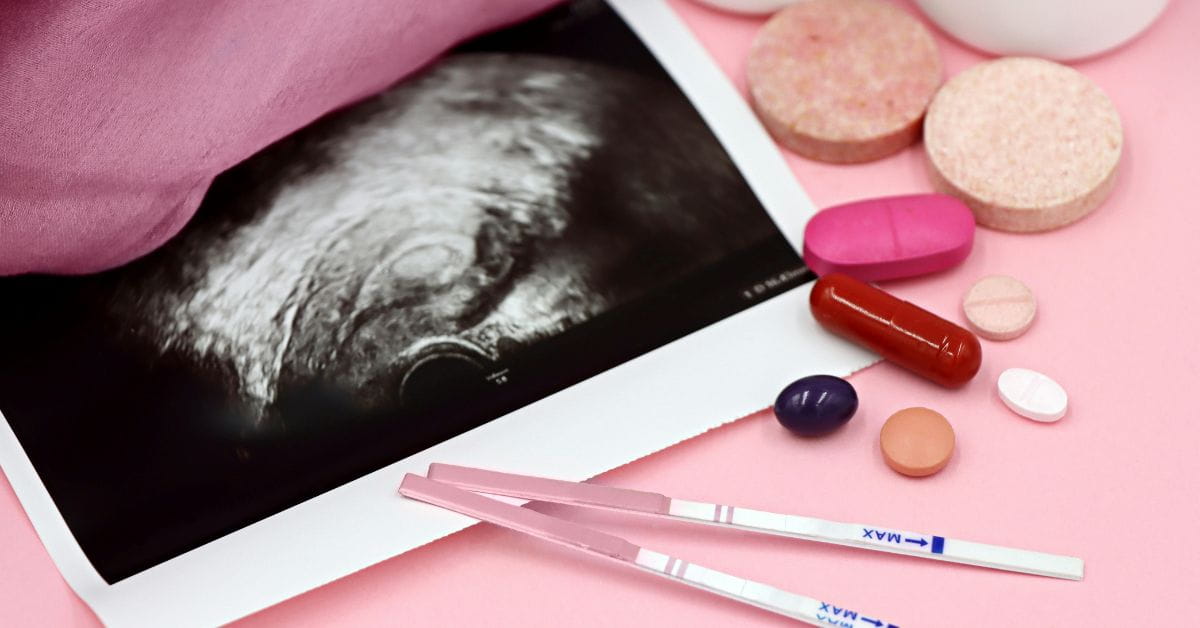
Conditions That Fertility Testing Can Diagnose
Fertility testing can reveal many illnesses that could interfere with conception.
PMOS/ Polyendocrine Metabolic Ovarian Syndrome
Hormonal imbalance and irregular ovulation can result from PMOS, which is among the most prevalent reasons for infertility in females.
Endometriosis
This disorder causes pain and problems with fertility in women when tissue resembling the lining of the womb/ uterus grows outside the uterus.
Poor Ovarian Reserve
This refers to fewer or lower-quality eggs, which are frequently linked to age.
Thyroid Dysfunction
Ovulation can be hampered by thyroid disorders that are either hyperactive or underactive.
Fallopian Tube Blockage
Tubal obstruction affects the natural meeting of sperm and egg.
How to Get Ready for a Fertility Test
If your doctor has advised these tests, there must be a reason, and here’s how you can prepare yourself:
Advice Before Testing:
- Monitor your menstrual cycles
- Note your medical history and symptoms
- Avoid smoking and binge drinking
- Keep your weight in check
- Talk to your doctor about meds
- Bring your prior medical record
Mental preparation is also essential, as it reduces your anxiety and regulates emotions. Support from partners, family, or counsellors is of great help because fertility testing can occasionally be emotionally taxing.
Fertility-Related Lifestyle Factors – What You Can Do
Reproductive health struggles due to a variety of lifestyle choices, and in addition to fertility testing, IVF doctors frequently advise healthy lifestyle tips.
Healthful Practices That Promote Fertility
Consume a Well-Balanced Diet. Try to focus on foods high in nutrients that promote reproductive health and hormone balance.
Regular Exercise. Fertility and general health are enhanced by moderate physical activity.
Control Your Stress. Ovulation & hormonal balance may improve with long-term stress.
Avoid Smoking Practices. Smoking can hasten the age of the ovaries and lower the quality of eggs.
Limit Caffeine and Alcohol. For certain women, excessive consumption may have a bad effect on hormones, which might indirectly affect fertility.
Over time, minor lifestyle changes can have a big impact that many people simply ignore. You might see the top IVF doctors in Siliguri for advanced and personalised support.
Age & Fertility Testing – What You Should Know
1. 20s
Usually, the healthiest egg quality and highest fertility rates are often found in women in their 20s.
2. 30s
Especially after the age of 35, fertility gradually decreases in females.
3. 40s
Low egg quality and quantity make natural conception more challenging.
What Takes Place Following Fertility Testing?
When testing is finished, your fertility doctor goes over the results and, if needed, talks about treatment choices, which can be:
- Changes in lifestyle
- Ovulation drugs/ prescribed meds
- Hormone therapies
- IUI, or intrauterine insemination
- IVF, or in vitro fertilization
- Reproductive surgery
The particular diagnosis, age, and individual goals all influence treatment suggestions.
Final Words
Fertility testing might make women feel overwhelmed at first, but it offers answers, clarity, and efficient treatment options. These tests may provide information for your future family planning and solve your health concerns.
Consult your gynecologist or infertility specialist at the best IVF center in Siliguri or near you, Dr. Shefali Bansal Madhav.