





Can you feel that there is constant pressure in modern life? Stress has become a normal aspect of daily life these days due to everything from demanding work and financial responsibilities to family expectations and health issues.
And, there’s no doubt that long-term emotional and physical stress can have detrimental effects on many aspects of health, including female fertility. If you have decided to get expert help for pregnancy-related concerns or IVF, you might see a highly trusted IVF doctor in Siliguri, Dr. Shefali Bansal Madhav.
Many question whether stress can cause conception to be delayed. The fact is that chronic stress may affect ovulation, menstrual periods, hormone balance, and your general reproductive health. This is what research states.
Stress may not always be the direct cause of infertility, but it can harbour circumstances that make conception more challenging. This blog describes how stress impacts female fertility, what to look out for, strategies for managing stress to improve reproductive health, etc.
Read on to know the facts.
Understanding Stress
This is our body's normal reaction to pressure from the physical, mind, or emotions. Stress causes the body to release chemicals like cortisol & adrenaline, and these hormones cause your body to respond swiftly in challenging events or exposures.
Because it increases our awareness and focus, short-term stress can occasionally be beneficial. But the problem is with chronic stress, as it can interfere with regular bodily processes if it lasts for weeks or months.
Long-term stress can have an impact on:
- Digestion and sleep quality
- Immune system performance
- Mental well-being
- Hormonal equilibrium
- Reproductive health
Hormonal balance is essential for conception and your overall health.
Relationship Between Female Fertility and Stress - Overview
The healthy functioning of the reproductive system is essential for female fertility. From your ovulation and egg production to the menstrual cycle, these are regulated by hormones generated by the brain and ovaries.
The body puts survival tasks ahead of reproduction when stress levels are high. And this can happen for extended periods of time, which might impair fertility in several ways by interfering with reproductive hormones.
Impact of Stress on Hormones
The hypothalamic-pituitary-adrenal (HPA) axis regulates your body's reaction to stress, and this controls the production of cortisol. Simultaneously, the hypothalamic-pituitary-ovarian (HPO) axis regulates fertility, and there is a close link between these two systems.
The brain may produce fewer reproductive chemicals when cortisol levels rise. This is a result of ongoing stress, such as:
- Hormone that releases gonadotropin (GnRH)
- Luteinizing hormone (LH)
- FSH, or follicle-stimulating hormone
- Progesterone and estrogen
Such a chemical imbalance can hamper ovulation and normal menstruation.
Stress & Irregular Menstrual Cycles
Period irregularities are among the most common consequences of long-term stress in females, and when under a lot of stress, women may experience:
- Delayed periods
- Periods missed
- Reduced cycles
- Significant bleeding
- Menstrual pain
The likelihood of conception can be low with irregular menstrual cycles, which can make it challenging to track ovulation. Also, stress can even cause transient amenorrhea, a condition where menstruation ceases entirely for several months.
Can Stress Affect Ovulation?
Yes, long-term stress can stop ovulation, and when the ovary releases a fully developed egg, ovulation starts. Ovulation may be delayed or nonexistent as a result of stress chemicals interfering with your brain-ovary connection.
We have to understand that pregnancy cannot naturally occur without ovulation. Anovulatory cycles are when no egg is released during the cycle, which may still occur in certain women.
Stress's Effect on Egg Quality
Chronic stress may also lead to oxidative stress in the body. Even if age is still the key factor influencing egg quality, high oxidative stress a concern.When risky molecules known as free radicals injure healthy cells, oxidative stress results, and this could have a detrimental impact on:
- Quality of eggs
- Ovarian function
- Development of the embryo
The chance of successful fertilization and implantation can be low due to low-quality eggs. You might visit a highly reputed IVF doctor in Siliguri or near you for trouble pregnancy or any such concerns.
Stress and Fertility Treatments
Women undergoing fertility treatments like IVF or IUI may experience higher levels of stress; however, feeling stressed or tense is normal at the time.
For some women, mental health might be severely impacted by the emotional stress of frequent appointments, hormone injections, money worries, and uncertainty.
High levels of stress during fertility treatment may cause a few things, such as:
- Decreased adherence to therapy
- Impact on emotional health
- An increase in despair and anxiety
- Reduced general quality of life
Managing mental health can enhance your infertility treatment experience and general wellness, even though stress may not be a direct cause of IVF failure.
Lifestyle Choices and Emotional Stress
Basically, stress has an indirect impact on fertility through bad lifestyle choices, and in the long-term, it may cause the following behaviors in women:
- Unhealthy eating patterns
- Smoking
- Overindulgence in alcohol
- Absence of physical activity
- Lack of sleep
- Overeating due to emotions
Obesity, insulin resistance, hormone imbalance, and reproductive problems can result from these behaviors or habits.
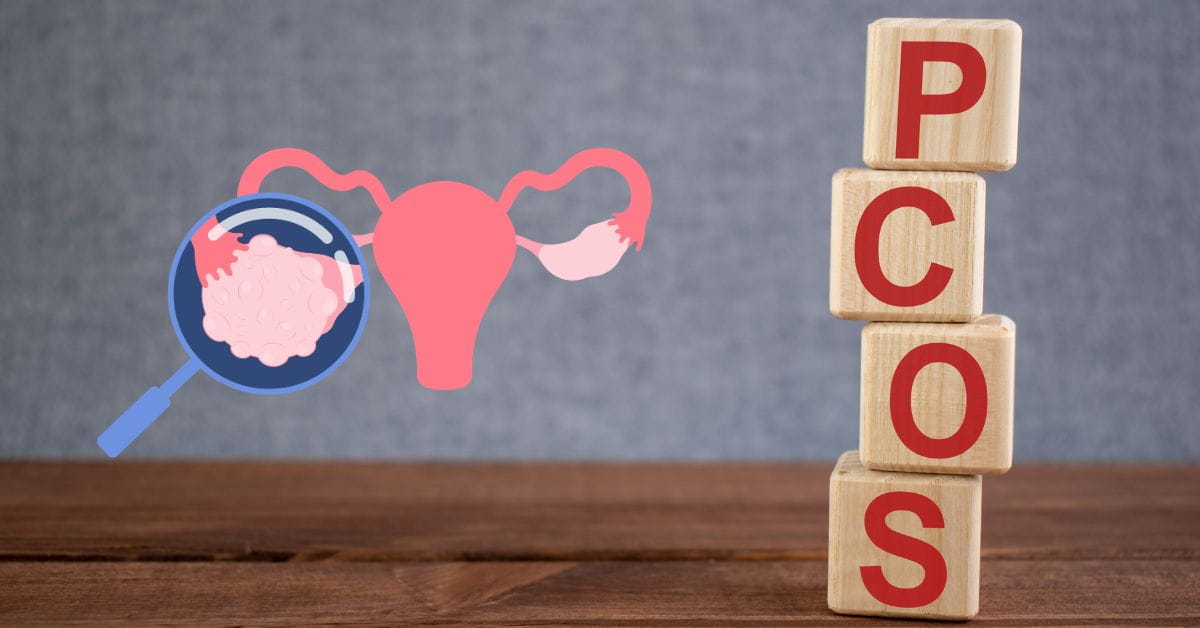
Stress & Polycystic Ovary Syndrome (PCOS)
Did you know that one of the main causes of female infertility, polycystic ovarian syndrome, can be made worse by stress? The fact is, hormonal imbalance and unpredictable ovulation are already problems for women with PCOS.
Long-term stress can exacerbate symptoms by raising cortisol and insulin resistance levels.
Common PCOS symptoms that are made worse by stress include:
- Irregular periods
- Gaining weight
- Acne
- Thinning hair
- Having trouble getting pregnant
Stress management can definitely help women with PCOS better regulate their hormones.
Can Stress Cause Infertility?
Infertility is rarely caused by stress alone. However, by interfering with your reproductive hormones and impacting your general health, stress may cause trouble conceiving.
Infertility typically results from several reasons, such as:
- Age
- Hormonal imbalances
- Issues with ovulation
- Endometriosis
- PCOS
- Thyroid disorders
- Factors related to male fertility
- Lifestyle practices
Many times serves as an extra load that complicates conception.
Symptoms That Stress May Be Impacting Female Fertility
Women who are attempting to conceive should be aware of the following signs of ongoing stress:
- Anxiety that occurs frequently
- Variations in mood
- Having trouble falling asleep
- Weariness
- Headaches
Other signs can be:
- Digestive issues
- Irregular periods
- Diminished libido
- Emotional tiredness
Early diagnosis of these signs under gynecological supervision can assist women in improving their mental and reproductive health.
Ways You Can Reduce Stress and Support Fertility
Even though stress management does not ensure pregnancy, it can enhance your general health. Also, this fosters a more favorable environment for conception.
These natural stress-reduction techniques work well.
Engage in Meditation & Mindfulness. Cortisol levels are lowered, and the nervous system is calmed by mindfulness practices. Here’s what you can do:
- Deep breathing techniques
- Meditation under guidance
- Yoga
- Gradual relaxation of the muscles
You can support your emotional well-being with even 10 to 15 minutes per day.
Engage in Regular Exercise. With moderate exercise, you can ease your stress and improve hormone balance.
Exercises that are advised include:
- Walking
- Swimming
- Cycling
- Stretching
- Yoga
However, some women's ovulation may be adversely affected by excessively strenuous activity, so wise to practice moderate workouts to see improvements.
Improve Sleep Quality. Inadequate sleep can play havoc with reproductive health and raises stress hormones.
To enhance your sleep:
- Keep your bedtime consistent
- Avoid screens before bed
- Cut back on caffeine consumption
- Set a calming evening routine
Most humans require seven to nine hours of sleep every night for proper rest and rejuvenation.
Follow a Fertility-Friendly Diet. Yes, proper nutrition is essential for hormone balance, and a well-rounded diet needs to include:
- Vegetables and fruits
- Whole grains & good fats
- Lean protein & foods high in antioxidants
Plus, reducing sugar and processed food intake may also promote reproductive health.
Seek Emotional Assistance. It can be emotionally taxing to try to conceive; therefore, speaking with encouraging individuals helps lessen emotional strain, such as:
- Friends, family, or partners
- Counselors for fertility
- Support groups
Women who struggle with anxiety due to infertility may also benefit from professional therapy.
Cut Back on Alcohol & Caffeine. Overindulgence in alcohol and caffeine may worsen stress symptoms, affect cardiac health, and hurt fertility.
When attempting to conceive, wise to quit alcohol or any such beverages.
Think About Getting Expert Assistance. Professional mental health support is crucial in some cases, such as if stress gets out of control or interferes with day-to-day functioning.
Final Words
There is a close link between stress and female fertility. Here, menstrual cycles, ovulation, hormone production, and general reproductive health can suffer due to long-term stress.
Stress can lower the chances of conception and negatively influence emotional well-being during the fertility journey. So, even if it may not necessarily be the cause of infertility, stress can interfere with people’s well-being.
Feel free to seek expert guidance from one of the best IVF doctors in Siliguri City or near you.

