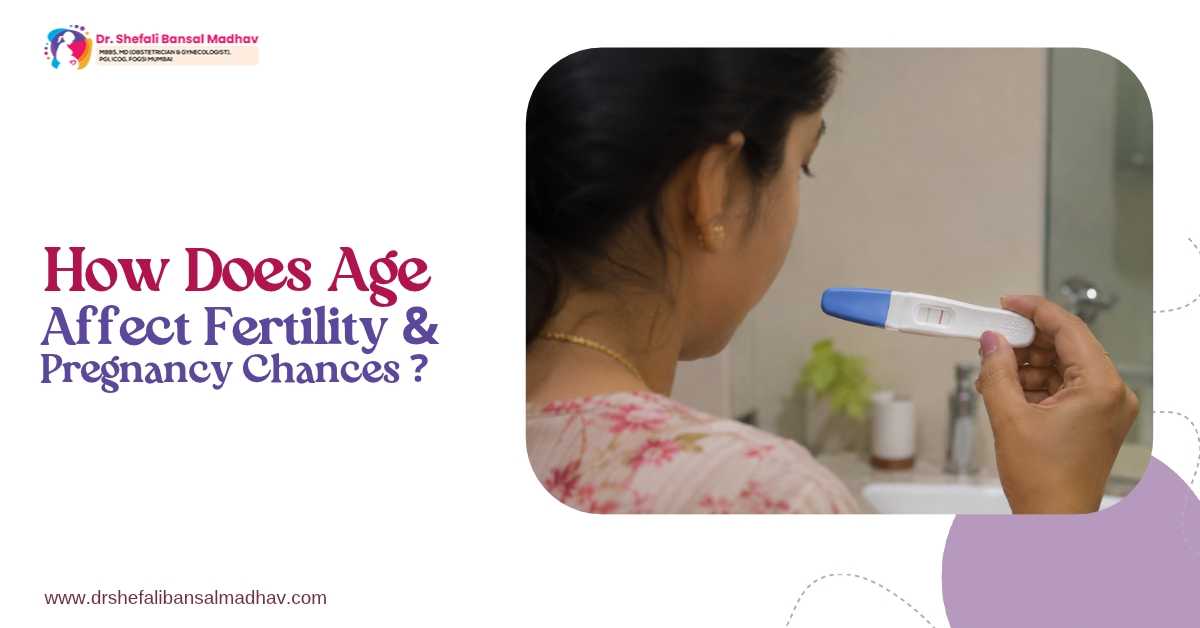

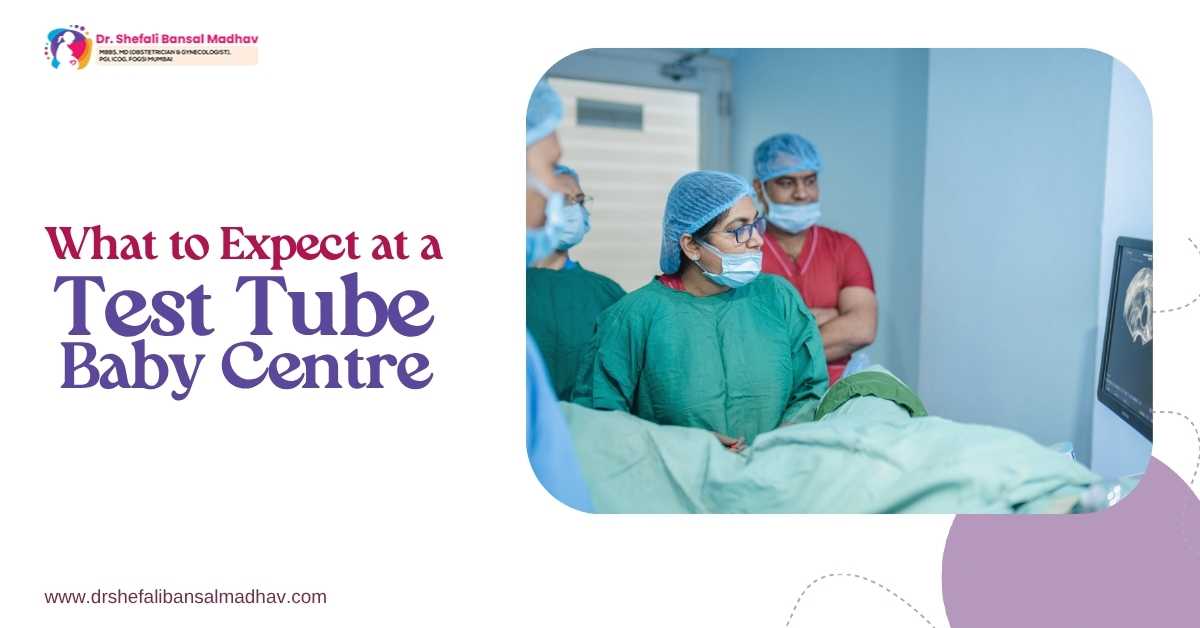




Two people may have comparable lives, no known reproductive health issues, and begin trying for a baby at the same time, but their paths to conception might differ. Age is a factor that might affect pregnancy outcomes.
Advanced age might interfere with egg quality, sperm health, and hormonal function, including the likelihood of a healthy pregnancy. But does becoming 30 or 35 inevitably result in infertility issues? Not always. You may consult an infertility specialist in Siliguri or near you if you have trouble getting pregnant for more than a year.
Age influencing fertility in ways may not always be visible. While some people conceive naturally in their late 30s or even 40s, others may experience difficulties much earlier. This is because reproductive health changes gradually.
Does Male Age Impact Fertility?
Male age can trouble reproductive health and can be responsible for fertility concerns. Some characteristics of semen may change as men age, such as:
· Sperm motility, or the capacity to move.
· Sperm morphology (form and structure) of sperm.
· The volume and quality of semen.
· The integrity of sperm DNA.
A risk of specific genetic alterations and reproductive issues has also been linked to advanced paternal age. Male fertility tends to drop gradually, and these risks may differ.
How Does Age Affect Female Fertility?
The quantity and quality of eggs in the ovaries may influence female fertility. A woman's egg production gradually declines, and in general, women tend to be most fertile in their 20s and early 30s. Around the early 30s, fertility starts to steadily fall; beyond about 35, the decline becomes more pronounced.
This shift can be explained by two key factors:
Egg quantity: As people age, their ovarian reserve declines, leaving fewer eggs available.
Egg quality: Chromosome abnormalities are more likely to occur in older eggs, which can have an impact on fertilization, embryo development, and pregnancy outcomes.
Chances of Pregnancy and Fertility at Various Ages
Though individual fertility may vary, age is a useful factor for reproductive capacity.
Generally Higher Fertility in Your 20s
Higher natural fertility is typically linked to the 20s. Ovarian reserve is comparatively higher, and the incidence of age-related chromosomal abnormalities may be low. Also, egg quality may often be better.
During this phase, many healthy couples can have a reasonably good chance of becoming pregnant naturally, but early age cannot assure pregnancy. Male-factor infertility, endometriosis, obstructed fallopian tubes, and PCOS can interfere with pregnancy at any age.
Between 30 and 34 - Gradual Changes Begin
Though the loss in reproductive potential may become more apparent, fertility tends to stay favourable in the early 30s.
In comparison to their 20s, some women could take longer to become pregnant. However, many people become pregnant naturally without the need for reproductive treatments.
You can talk to a healthcare provider about reproductive planning.
Fertility May Decline More Between 35 and 39
Egg quality may deteriorate, fewer eggs may be available, and the chance of chromosomal abnormalities may rise. As a result, women may notice that:
· It takes longer to become pregnant.
· A chance of miscarriage.
· A risk of requiring reproductive support.
· Risk of specific pregnancy problems.
Conception Might Become More Difficult After 40
After 40, natural conception is still possible, but the likelihood usually drops. Fertilization and healthy embryo development may struggle when egg quality and ovarian reserve decline.
Pregnancy problems and miscarriage are also more likely, so consulting an infertility doctor in Siliguri or in your city can be helpful. IVF and other fertility therapies may be beneficial for certain women, but diagnosis is essential before that.
However, a number of factors, including age, ovarian reserve, reproductive health, and the use of donor eggs, affect how well a treatment may work. Having reasonable expectations and talking about solutions can be facilitated by fertility consultation.
Is It Possible to Increase Male & Female Fertility as They Age?
Diet, exercise, or supplementation may not restore age-related reproductive changes in some cases. You might boost fertility and prepare for pregnancy if you look after your reproductive health through lifestyle.
What you can do:
· To promote overall health, you can keep your diet balanced by including fruits, vegetables, whole grains, protein sources, and healthy fats.
· Keep your weight in check, as being noticeably overweight or underweight might disrupt hormone balance and ovulation.
· Smoking and alcohol can harm the health of eggs and sperm, so avoid both during pregnancy and when attempting to conceive.
· Recognize your menstrual cycle, as timing sex around ovulation might be aided by knowing the fertile window.
· Consult a healthcare provider about conditions like diabetes, thyroid issues, PCOS, and endometriosis.
· To lower the chance of neural tube abnormalities, folic acid supplementation may be advised prior to conception.
When You May Get Fertility Advice?
· Under 35: After 12 months of consistent, unprotected sexual activity without conception, you may think about getting a fertility evaluation.
· 35–40 years old: After six months of attempting, have an evaluation.
· Above 40: You might consider speaking with a fertility doctor.
If there are irregular or absent periods, endometriosis, prior reproductive surgery, recurrent pregnancy loss, or suspected male-factor infertility, a consultation with a fertility doctor in Siliguri or near you may be necessary at any age.
Final Words
Age is a factor, but it alone cannot determine whether a person will conceive naturally or have a pregnancy. Reproductive potential may decrease with age, especially after the mid-30s, and if you have been experiencing trouble conceiving for months or years now, you may speak with an infertility specialist.
FAQs
1. Does male age affect pregnancy chances?
Advanced paternal age may affectDNA integrity, motility, and sperm quality. Also, it might lengthen the time needed to become pregnant and raise the risk of some reproductive issues.
2. When does female fertility start to decline?
The decline in female fertility often starts in the early 30s and may become apparent beyond the age of 35, but natural pregnancy is still possible in many cases.
3. Is it possible for a woman over 40 to conceive naturally?
Although it is still possible to become pregnant naturally beyond 40, the likelihood may be lower than in younger years. Also, there may be an increased chance of genetic abnormalities and miscarriage.
4. Does a regular menstrual cycle mean fertility is normal?
Monthly periods may not verify normal egg quality, sufficient ovarian reserve, open fallopian tubes, or good sperm characteristics, but they often indicate that ovulation is taking place. When issues come up, a fertility evaluation can be required.
5. When should couples visit a fertility specialist?
After 12 months of trying, women under 35 may seek evaluation; after six months, women over 35 should seek fertility consultation. Women over 40 might benefit from a consultation.