In contemporary healthcare, reproductive challenges are recognized as significant clinical concerns influenced by medical, environmental, and lifestyle factors. Infertility can impact both physical and emotional well-being, often creating stress for couples experiencing conception difficulties. However, advances in assisted reproductive technology (ART) provide structured clinical pathways for evaluation and management.
As a fertility specialist practicing in Siliguri, Dr. Shefali Bansal Madhav brings specialized training in reproductive medicine and clinical experience in assisted reproduction. Her clinical practice incorporates diagnostic evaluations and established ART procedures, including IVF, IUI, and ICSI, tailored to individual patient indications. These clinical protocols provide evidence-based care for patients navigating fertility challenges.

Postgraduate Institute of Medical Education and Research (PGIMER), Chandigarh
ICOG, FOGSI, Mumbai
Contributions to Assisted Reproductive Technology Literature




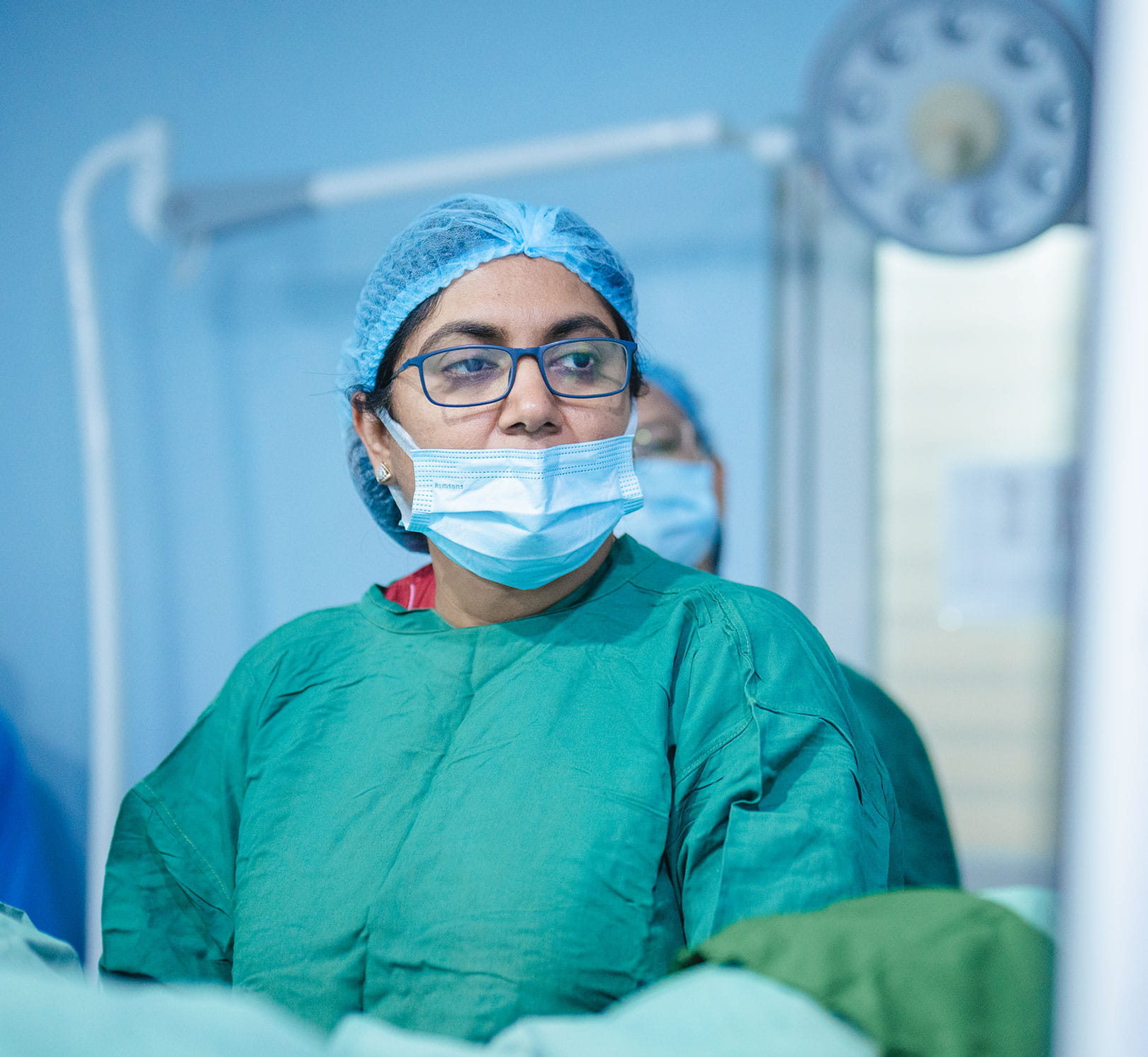
Dr. Shefali Bansal Madhav is a fertility specialist in reproductive medicine. Her clinical practice incorporates patient-centric care and evidence-based medical protocols. She has completed specialized training through established medical institutions in India and possesses extensive clinical experience in evaluating and managing male and female subfertility.
Her areas of clinical focus encompass IVF, IUI, ICSI, advanced assisted reproductive technologies (ART), and ovulation induction. Her professional scope addresses male factor subfertility, female reproductive challenges, unexplained infertility, and recurrent implantation failures. Treatment plans are customized following comprehensive assessments of hormonal profiles, ovarian reserve, gamete parameters, and uterine health, ensuring individualized medical care.
Alongside clinical practice, Dr. Shefali Bansal Madhav contributes to academic medicine in reproductive health, including co-authoring chapters on superovulation protocols and Ovarian Hyperstimulation Syndrome (OHSS) management in professional medical texts. Her practice emphasizes transparent clinical communication, structured counseling, and ethical medical standards.
Know MoreDetermining the appropriate timeline for clinical fertility evaluation depends on individual patient factors. As a fertility specialist practicing in Siliguri, Dr. Shefali Bansal Madhav recommends timely clinical consultation for couples experiencing delays in conception.
Indications for scheduling a consultation with a reproductive medicine specialist include:
Prompt diagnostic evaluation and clinical intervention assist in identifying underlying factors and supporting reproductive health goals.
Dr. Shefali Bansal Madhav approaches reproductive evaluations by conducting thorough diagnostic assessments for both partners to identify underlying factors contributing to subfertility.
Her structured clinical evaluation and management protocol encompasses:

Initial clinical consultation involving a comprehensive review of medical history, reproductive background, and lifestyle factors that may influence fertility status.

Baseline diagnostic testing, including semen analysis, quantitative ovarian reserve assessments, pelvic ultrasound imaging, and genetic screening when indicated.

Formulation of customized treatment pathways incorporating ART procedures such as IVF, IUI, or ICSI based on specific diagnostic findings and patient indications.

Integration of lifestyle, nutritional, and metabolic guidance to support overall reproductive health and well-being during treatment.

For patients with a history of prior ART failures, specialized diagnostic reviews are conducted to determine targeted, evidence-based management strategies.
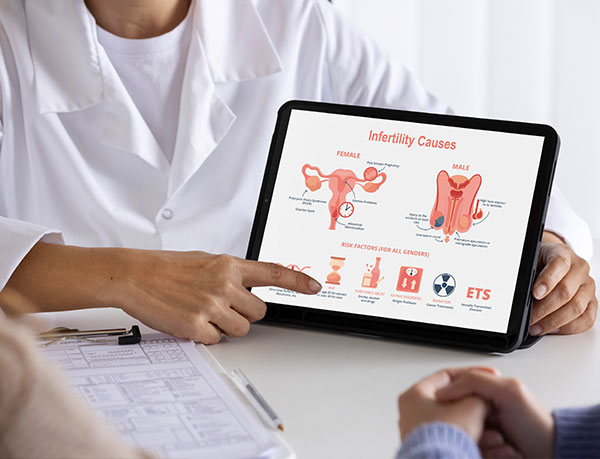
Reproductive evaluations recognize that fertility challenges involve both female and male reproductive factors. Dr. Shefali Bansal Madhav specializes in providing comprehensive fertility care in Siliguri, addressing both female and male factor subfertility through structured clinical protocols.
Key assisted reproductive procedures and diagnostic services provided include:
 In-Vitro Fertilisation (IVF)
An assisted reproductive technology procedure involving extracorporeal fertilization of oocytes with spermatozoa in an embryology laboratory, followed by uterine embryo transfer.
 Intrauterine Insemination (IUI)
A clinical fertility treatment involving the direct placement of prepared, washed spermatozoa into the uterine cavity around the time of ovulation.
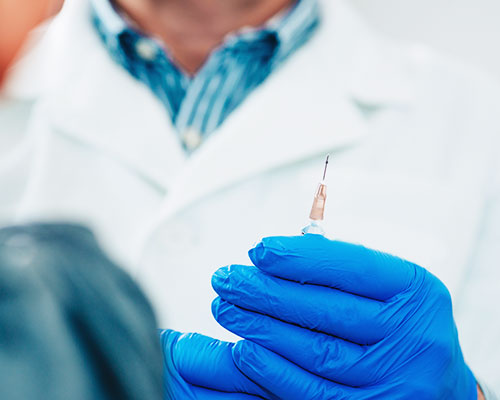 Intracytoplasmic sperm injection (ICSI)
An advanced ART technique where a single selected spermatozoon is microinjected directly into a mature oocyte under laboratory conditions to address severe male factor subfertility.
 Egg Donation
An assisted reproductive procedure utilizing oocytes provided by a screened donor, fertilized in the laboratory, and transferred into the prepared recipient uterus.
 Recurrent Pregnancy Loss
Comprehensive diagnostic evaluation and clinical management for patients experiencing repeated pregnancy losses associated with etiological factors.
 Male infertility
Diagnostic assessment and management of physiological, environmental, and pathological factors impairing male reproductive function.
 Blastocyst culture
Extended in vitro incubation of embryos to day 5 or 6 of development prior to uterine transfer, supporting physiological embryo selection.
 Endometrial Receptivity Assay
A specialized molecular diagnostic test designed to evaluate endometrial gene expression and identify personalized embryo transfer timing.
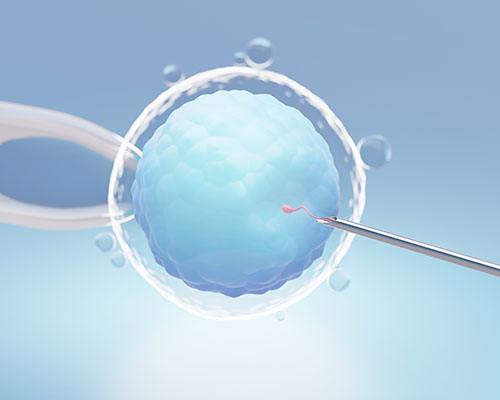 Laser Hatching
Precision laser technology utilized during ART cycles to create a micro-opening in the embryonic zona pellucida to assist implantation.
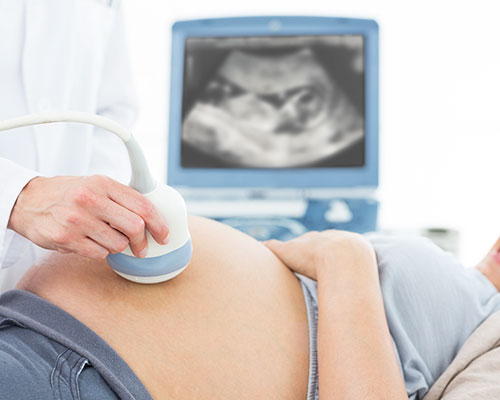 Follicular monitoring
Serial transvaginal ultrasound scans and hormonal assessments tracking ovarian follicular growth and endometrial development during treatment cycles.
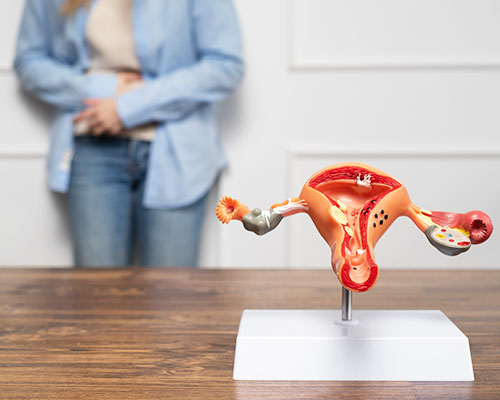
 Transvaginal ultrasound
High-resolution imaging procedure utilizing high-frequency sound waves via a vaginal probe to evaluate pelvic and reproductive anatomy.
Evaluating fertility specialist qualifications involves assessing professional training, clinical experience, and adherence to evidence-based medical practice standards. Dr. Shefali Bansal Madhav maintains a clinical practice focused on structured evaluations and individualized medical care based on the following principles:
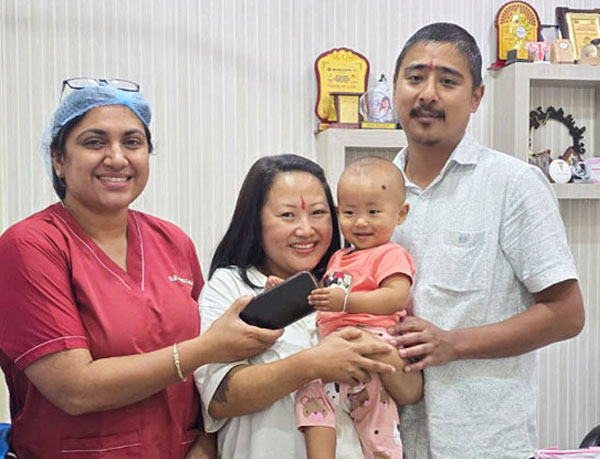
Following her MBBS, Dr. Shefali Bansal Madhav completed an MD in Obstetrics & Gynaecology, followed by fellowship training in Reproductive Technology and Infertility from ICOG and FOGSI, Mumbai. Her academic and clinical training supports evidence-based practice in reproductive medicine.
Clinical management emphasizes detailed and transparent patient counseling. Transparent communication regarding diagnostic findings and treatment protocols supports informed patient decision-making in accordance with medical ethics.


Treatment protocols are customized following comprehensive evaluations of ovarian reserve, gamete parameters, hormonal profiles, and uterine factors, ensuring individualized clinical management rather than standardized protocols.
Clinical evaluations address both female and male reproductive factors within structured treatment plans. Conditions such as PCOS, male factor subfertility, and endometriosis are managed under medical protocols with patient confidentiality.

Experience in evaluating and managing complex clinical presentations, including prior assisted reproductive treatment failures. Practice standards are anchored in structured clinical evaluation and evidence-based care, maintaining a professional resource for fertility management in Siliguri.
These educational video resources provide medical information and awareness regarding reproductive health, etiological factors, and clinical treatment procedures.
Clinical guidelines recommend consulting a reproductive medicine specialist if female age is under 35 years and pregnancy is not achieved after 12 months of regular, unprotected intercourse, or after 6 months if female age is 35 years or older.
Dr. Shefali Bansal Madhav utilizes a patient-centric, evidence-based approach involving comprehensive clinical consultations and diagnostic evaluations to determine appropriate assisted reproductive protocols such as IUI, IVF, or ICSI based on individual patient indications.
Yes. Clinical data from organizations such as the World Health Organization indicate that male and female reproductive factors contribute comparably to couple subfertility evaluations, emphasizing comprehensive diagnostic assessment for both partners.
Maintaining a healthy Body Mass Index (BMI), adopting a balanced diet, avoiding tobacco use, limiting alcohol consumption, and engaging in regular physical activity support general reproductive health. Personalized guidance can be discussed during a clinical consultation with Dr. Shefali Bansal Madhav.
Success outcomes in assisted reproduction are influenced by multiple variables, including maternal age, baseline ovarian reserve, gamete parameters, underlying medical conditions, and specialized laboratory protocols.
No. Depending on the underlying etiology, treatment plans may incorporate lifestyle modifications, medical therapy, ovulation induction, intrauterine insemination (IUI), or advanced assisted reproductive technologies (ART).
The average duration of an IVF cycle ranges from 4 to 6 weeks, encompassing controlled ovarian stimulation, oocyte retrieval, laboratory fertilization, blastocyst culture, and embryo transfer, subject to individual protocols.
While some patients achieve pregnancy during an initial treatment cycle, others may require subsequent cycles depending on clinical indications, age, and individual response to ovarian stimulation.
Male factor subfertility can be managed effectively using advanced assisted reproductive procedures such as Intracytoplasmic Sperm Injection (ICSI), where a single selected spermatozoon is microinjected directly into an oocyte.
Specific specialized health insurance policies may provide coverage for certain fertility treatments up to defined limits, whereas standard health insurance policies generally exclude elective reproductive procedures.