

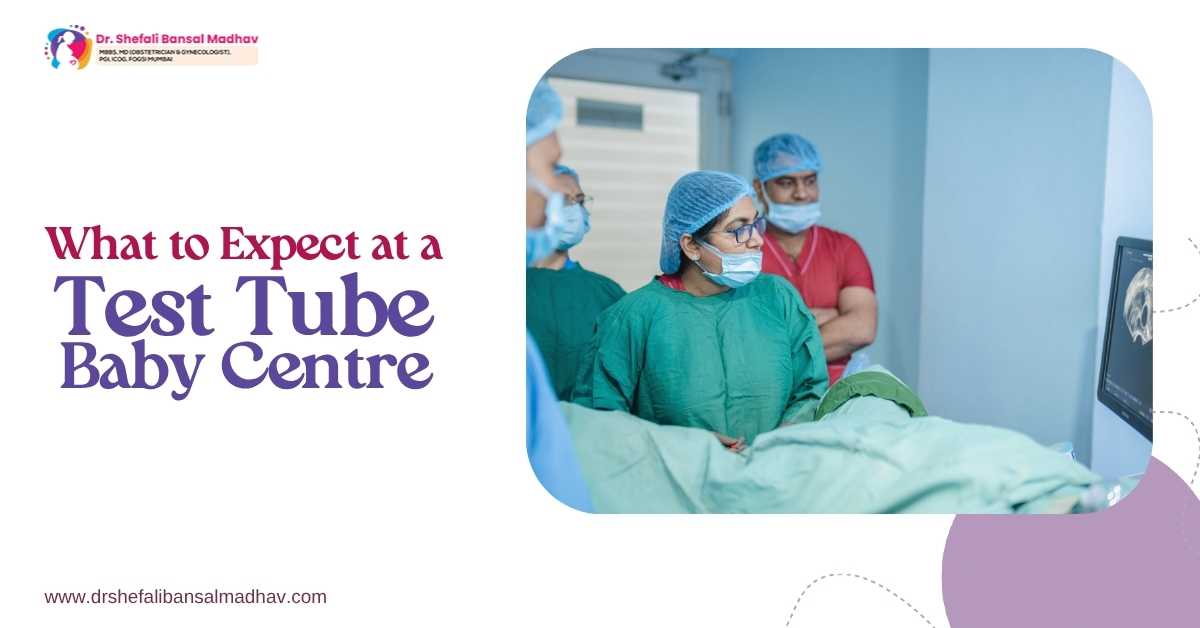




IVF isn’t a simple procedure that provides a solution to every infertility concern. From lifestyle to medical advice, every little aspect can influence the success rate of IVF outcomes. So, how you prepare your body and mind is essential before this treatment.
Adopting a healthy lifestyle before treatment may support your general wellness throughout the process, even if no preparation can ensure IVF success. You may seek expert advice on lifestyle from your infertility specialist in Siliguri or near you.
Here, improving your diet, controlling stress, and treating underlying medical disorders are highly beneficial changes for reproductive health.
Preparing Your Body Before IVF – Know Why It is Important
Ovarian stimulation, egg retrieval, fertilization, embryo development, and embryo transfer are a few major steps in IVF. There’s no doubt that the process can go more smoothly if you are in good general health. The reason here is that each step depends on how well your body responds to IVF or any infertility treatment.
Getting ready before IVF can be beneficial; here are some reasons why:
- Encourages the quality of healthy eggs.
- Boosts uterine health.
- Keeps your hormones in balance.
- Lowers the chance of pregnancy-related issues.
- During treatment, strengthens your emotional and physical fortitude.
Since egg development starts well before ovulation, many fertility doctors advise starting preparation two to three months prior to your IVF cycle.
Make an Appointment for a Pre-IVF Health Check-up
Your fertility doctor will perform a few medical assessments before initiating IVF. This step is to determine any factors that may impact therapy.
These evaluations could include:
- Assessment of ovarian reserve
- Blood tests for hormones
- Ultrasound analysis
- Screening for blood sugar
- Tests for thyroid function
- Levels of vitamin D
- Screening for infectious diseases
Treating diseases, including diabetes, thyroid issues, hypertension, or uterine anomalies, in advance may enhance infertility treatment preparedness.
Follow a Fertility-Friendly Diet
Well, one of the most vital aspects of IVF preparation is nutrition. The vitamins, minerals, good fats, and antioxidants required for your reproductive health are available in a balanced diet.
Consume More:
- Fresh fruits
- Leafy green vegetables
- Whole grains
- Beans with lentils
- Seeds and nuts
- Fatty fish (if allowed)
- Eggs
- Lean proteins
- Greek yogurt
- Healthy oils
Antioxidant-rich foods may help shield eggs from oxidative damage, so have a balanced amount of Antioxidant-rich foods (not excessive).
What You Need to Limit
- Sugar-filled drinks
- Snacks that have been processed
- Deep-fried foods
- Overindulgence in processed carbs
- Meats with a lot of processing
When your blood sugar levels are steady, it supports your hormonal balance as well.
Keep Your Weight in Check
Hormone production, ovulation, and IVF outcomes are linked to your body weight too.
Being overweight or underweight has its own concerns and can have an impact on:
- Quality of eggs
- Ovarian reaction to fertility meds
- Implantation
- Health during pregnancy
You should aim for steady, sustainable weight management with regular (moderate) exercise and a balanced diet rather than crash diets or strenuous activities.
Some people with Polyendocrine Metabolic Ovarian Syndrome (PMOS) may benefit from even slight weight loss in terms of hormonal function.
Take Prescribed Prenatal Vitamins
Prenatal vitamins are typically advised a few weeks or months before the start of IVF treatment.
Some essential nutrients are:
Folic Acid. Folic acid lowers the developing baby's chance of neural tube abnormalities.
Vitamin D. In addition to promoting bone health, enough vitamin D may have a great impact on reproductive health (always follow prescribed meds).
Iron. Iron promotes appropriate oxygen transfer throughout pregnancy and helps prevent anemia.
Fatty Acids (Omega-3). In addition to promoting general health, omega-3 fats may help ensure a safe pregnancy.
NOTE: Never start taking supplements without first speaking with your fertility doctor.
Continue Your Physical Activity
Routine exercise promotes general health, stress reduction, and blood circulation, vital for reproductive health/ fertility.
Some physical activities include:
- Walking
- Cycling at a moderate pace
- Pilates
- Yoga
- Stretching gently
NOTE: Excessively high-intensity exercises and extreme endurance training should be avoided unless your doctor has given the all-clear. This is because some females' reproductive hormones may be affected by such intense activity.
Improve Sleep Quality
Hormone balance can be disturbed by not getting enough sleep, and insufficient sleep may impact:
- Levels of stress hormones
- Metabolism
- Immune system performance
- Total energy
Here is some advice on improved sleep:
- Keep your bedtime consistent
- Before you go to bed, stay away from screens
- Make sure the bedroom is dark and cool
- Caffeine should be avoided late in the day
- Put relaxing techniques into practice
Seven to nine hours of sleep a night is beneficial for most adults, but if you are having trouble sleeping or feeling tired even after proper sleep, consult your doctor.
Reduce Stress Before IVF
Infertility treatments like IVF cause emotional stress. Although stress by itself does not directly cause infertility, stress management may soothe your general health during IVF treatment.
Among the healthy stress-reduction strategies are:
- Practices for deep breathing
- Meditation
- Awareness
- Journaling
- Consultation
- Support networks
- Going outside for a while
- Speaking with dependable relatives
Emotional preparation before IVF is also vital. To better understand stress management this time, you may see one of the top infertility specialists in Siliguri.
Quit Smoking and Avoid Alcohol
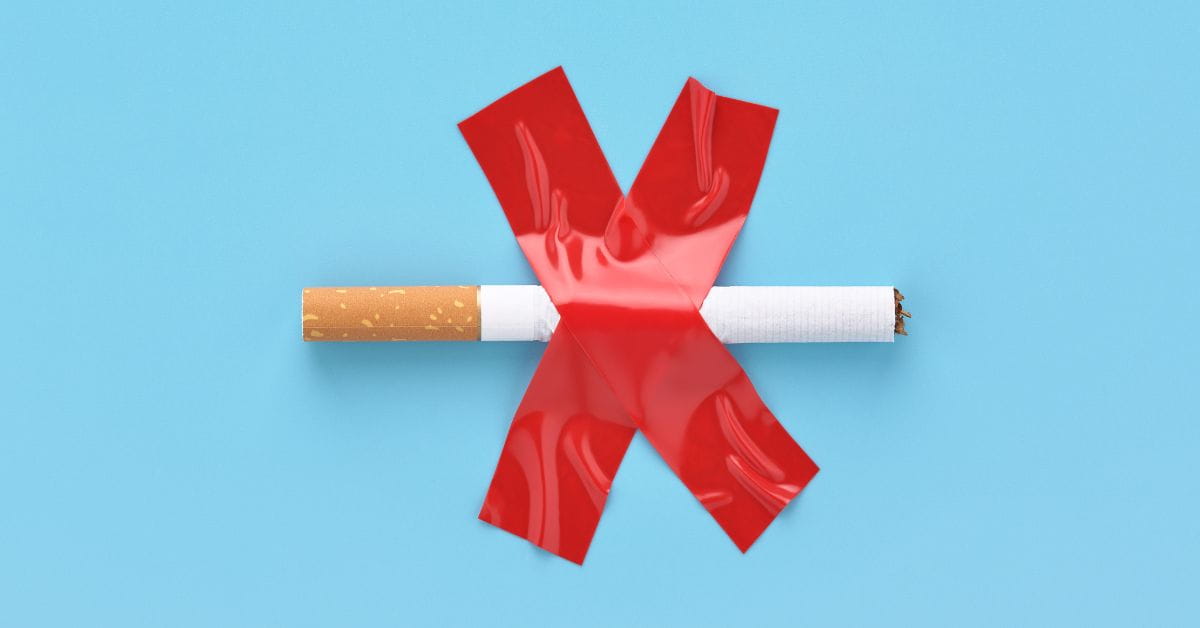
If you smoke or drink, quitting is of great importance if you are planning for IVF. We cannot say there’s any safe amount. For both men and women, smoking has a detrimental effect on fertility, interfering with IVF or pregnancy outcomes.
It might:
- Lower the quality of eggs
- Reduce rates of IVF success
- Fasten ovarian aging
- Increase difficulties during pregnancy
Plus, because smoking & alcohol may affect fertility and early pregnancy, it is generally discouraged during IVF preparation. Consult your healthcare provider for assistance if you are having trouble stopping smoking or alcohol intake.
Limit Caffeine Intake
While many people regard moderate caffeine consumption to be appropriate, excessive consumption might affect fertility treatments.
Rather than drinking several cups of coffee every day, you may consider:
- Herbal teas that your doctor has approved
- Warm milk
- Water with lemons
Talk to your infertility specialist in Siliguri or near you about lifestyle or food guidance.
Look After Your Hydration
Water intake is vital for our bodily functions, including circulation and cellular health, so staying hydrated could be beneficial for:
- Preserving a healthy blood flow
- Encouraging the absorption of medications
- Boosting overall health
Drink often throughout the day and keep a reusable water bottle with you for convenience. Your amount of activity, climate, and general health help decide how much water you require.
Protect Yourself from Infections
Infections can interfere with pregnancy and fertility treatment outcomes, so basic preventative actions include:
- Keeping your hands clean
- Keeping up with necessary immunizations
- Promptly treating infections
- Observing food safety procedures
- Avoiding undercooked foods and unpasteurized dairy products
If you are worried about getting vaccinated before getting pregnant, speak with your doctor; without medical approval, do not consider meds or vaccinations.
Review Your Meds
Some over-the-counter, prescription, and herbal supplements might not be appropriate for IVF; thus, getting medical advice on these is essential. Never discontinue taking prescription meds without your fertility doctor's approval.
Talk to your doctor about:
- Prescription drugs
- Painkillers
- Herbal goods
- Powdered proteins
- Supplements for weight loss
This review can help make sure that there are no prob when receiving therapy.
Avoid These Before IVF
- Following a balanced, healthy diet
- Taking supplements without consulting a doctor
- Ignoring long-term medical issues
- Delaying necessary medical examinations
- Smoking or taking drugs recreationally
- Sleeping less because of worry
- Overdoing anything
- Don’t compare yourself with others
Final Words
Preparing your body before IVF is a wise step, indeed. Better general health prior to your IVF cycle is possible if you ensure a nutrient-rich diet, a healthy weight, exercise, getting enough sleep, stress regulation, et al. Be honest about your health; if you have any health issues or you are on some medications, let your doctor know.
All these steps will help you navigate this health journey well. Get easy, expert advice from the leading infertility specialist in Siliguri, such as Dr. Shefali Bansal Madhav.
FAQs
How much time should I spend getting ready before beginning IVF?
In order to give the body time to assist the development of eggs and sperm, many infertility specialists advise starting lifestyle changes. This is at least two to three months before IVF treatment.
Can nutrition increase the success of IVF?
While no particular food or diet can ever ensure the success of IVF, a healthy, balanced diet nourish youe overall reproductive health.
Before IVF, should I reduce my weight?
Your fertility doctor may advise gradual weight control to improve your health before treatment if you are overweight or underweight.

