





Undoubtedly, hormonal imbalance has become a common concern these days. Hormones influence a woman's general health significantly. You must know that many vital bodily processes are regulated by these chemical messengers. These include your metabolism, mood, sleep, reproductive health, and energy levels.
Hormonal issues can affect ovulation or egg release, cause cystic growth, etc., affecting pregnancy many times. If you are struggling with pregnancy, you might see a highly trusted gynecologist or infertility doctor near you or the top IVF doctor in Siliguri, Dr. Shefali Bansal Madhav.
Even a slight hormone imbalance can affect day-to-day functioning and cause unpleasant mental and physical symptoms in females. These changes during puberty, menstruation, pregnancy, and menopause are common in women.
However, persistent/ ongoing hormone imbalance can result in long-term health issues. Knowing the signs of a hormonal imbalance in women can aid in early problem detection and prompt treatment.
What is Hormonal Imbalance?
It happens when a hormone is present in the bloodstream in excess or insufficient amounts. Hormones control your vital bodily processes, so even small alterations or changes can affect your reproductive or overall health.
The primary hormones that affect women's health include:
- Progesterone, estrogen, and testosterone
- Hormones related to the thyroid
- Insulin and cortisol
The body frequently uses a variety of symptoms as warning signs when these hormones fall out of balance.
Common Signs of Hormonal Imbalance in Females
1. Irregular Periods
An irregular menstrual cycle is a very common concern among females these days. You should know that the menstrual cycle is regulated by hormones like progesterone and estrogen, and abnormal fluctuations in these hormones can cause menstruation to become:
- Too light OR too heavy
- Regularly delayed
- Absent entirely
Period irregularities are common, caused by conditions including perimenopause, thyroid issues, polycystic ovarian syndrome (PCOS), and even stress.
2. Unexplained Weight Gain OR Weight Loss
Yes, hormonal problems could be the cause of your sudden weight fluctuations without major lifestyle adjustments.
Did you know that an imbalance in hormones can impact your hunger and metabolism? For instance:
- Your weight gain and a slowed metabolism might result from low thyroid hormone levels
- High fat storage may result from insulin resistance
- Chronic stress can raise your stress hormones/ cortisol levels, which can cause weight gain in the abdomen
Hormonal imbalances can be the reason for unexplained weight changes.
3. Persistent Fatigue
Hormone issues may be the cause of your fatigue even after getting adequate sleep every night. Here, one’s body's ability to produce energy can be low/ poor due to low progesterone, high cortisol, or low thyroid hormone levels.
Many frequently report:
- Unexplained low mood
- Low energy
- Having trouble focusing
- Low endurance
- Sleepiness during the day
So, never overlook persistent fatigue, especially if it's accompanied by other symptoms, like missed periods, heavy or too light periods, or heavy cramps.
4. Mood Swings & Anxiety
Also, hormones influence our emotional health heavily. Variations in progesterone and estrogen levels can impact your brain neurotransmitters, resulting in:
- Variations in mood
- Emotional lows, anxiety, & irritability
- Enhanced sensitivity to emotions
And these symptoms are common in women before menstruation, throughout pregnancy, and around menopause. Severe or persistent emotional problems, however, need expert attention, as these can indicate a more serious hormonal problem.
5. Acne & Skin Problems
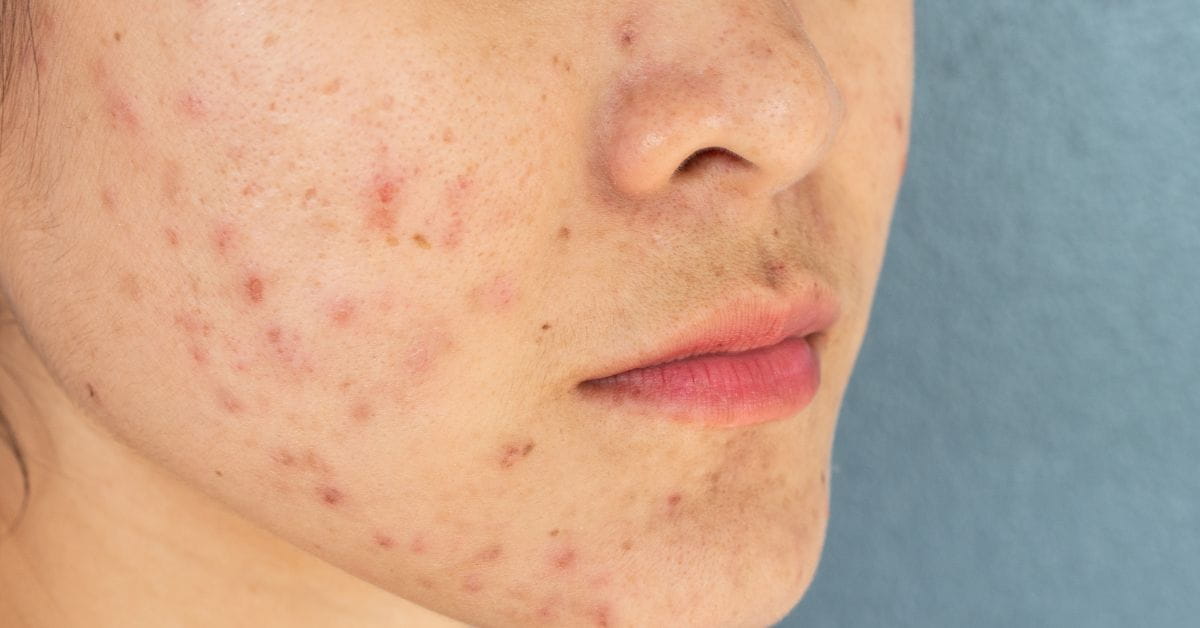
You must know that an imbalance in hormones can cause your skin to produce more oil, leading to breakouts of acne.
Generally, hormonal acne manifests on:
- Jawline, neck, & chin
- Lower cheekbones
Adult female acne is often caused by an excess of androgen hormones. Plus, some women may experience increased sensitivity, dry skin, or skin discolouration due to this.
6. Hair Loss or Excess Hair Growth
Your patterns of hair growth may change with changes in your hormone levels, and this hormonal imbalance in women can cause:
- Thinning of hair
- Excessive loss of hair
- Bald spots
- An increase in facial hair
- Hair growth on the belly region, including chest
Androgen levels in your body can increase due to conditions like PCOS, which may result in undesired hair growth while decreasing scalp hair.
7. Sleep Problems
Hormones affect the patterns and quality of your sleep, and progesterone, estrogen, cortisol/ stress hormones, or melatonin imbalances can lead to:
- Inability to fall asleep
- Frequent nighttime awakenings
- Poor quality of sleep
- Night sweats & sleep disturbances
These are common complaints from women going through hormonal changes throughout menopause.
8. Low Libido
A hormonal imbalance can be a sign of a decline in sexual desire/ low libido. In addition to lowering libido, low testosterone or estrogen levels may also result in:
- Dryness in the vagina
- Pain during sexual activity
- Low arousal
- Emotional detachment
While rare, shifts in sexual desire are common; long-term problems might need to be evaluated by a doctor, such as a gynecologist or infertility specialist near you.
9. Digestive Issues
Digestion and gut health have a link with your hormones, and an imbalance in hormones may lead to:
- Constipation and Bloating
- Diarrhea
- Feeling queasy
- Discomfort in the abdomen
Due to hormonal changes, many women experience changes in their digestive systems during their menstrual cycle.
10. Night Sweats & Hot Flashes
Though hot flashes are often associated with menopause, hormonal imbalances at other phases of life can also cause them.
Symptoms you may notice are:
- Abrupt feeling of heat
- Perspiration
- Quick heartbeat
- Skin that is flushed
Sweating at night might interfere with your sleep and increase your exhaustion.
11. Brain Fog & Memory Problems
Another sign of your hormonal imbalance could be difficulty focusing or forgetfulness, and women may experience:
- Mental exhaustion
- Reduced productivity
- Having trouble concentrating
- Insufficient memory
Brain fog may be a result of hormonal changes that occur after menopause.
How Doctors Diagnose Hormonal Imbalance – Overview?
Hormonal imbalance is typically diagnosed by doctors using:
- Physical assessment
- Reviewing your medical history
- Blood examinations
- Tests for thyroid function
- Ultrasound examinations
Monitoring menstrual cycles and symptoms will also help spot patterns.
Hormonal Imbalance Treatment
The severity of the symptoms and the underlying reason help gynecologists and IVF doctors determine the course of treatment.
Hormone Treatment. Women with menopausal symptoms may benefit from hormone replacement therapy (HRT).
Meds. Physicians may recommend medications for:
- Thyroid conditions
- PCOS
- Acne & Diabetes
- Concerns about fertility
Birth Control. Hormonal contraceptives can help you control menstrual cycles and lessen your symptoms like excessive bleeding and acne.
Lifestyle Changes. Hormone balance can be naturally supported by good habits.
Natural Ways You Can Support Your Hormonal Balance
1. Consume a Well-Balanced Diet
Pay attention to your food habits/ meals and eat nutrient-dense foods like:
- Vegetables & fruits
- Whole grains
- Good fats
- Lean protein
- Seeds and nuts
You can stabilize your insulin and hormone levels by cutting back on processed meals and sugar consumption.
2. Manage Stress
Here, you may lower your cortisol levels with the aid of stress management strategies.
Beneficial practices include:
- Yoga and meditation
- Inhaling deeply
- Keeping a journal
- Spending time outside
3. Make Sleep a Priority
Sleep deprivation can interfere with your production of hormones.
To enhance the quality of your sleep:
- Keep a regular sleep routine
- Don't use screens right before sleeping
- Reduce your consumption of caffeine
- Establish a calming nighttime routine
4. Maintain a Healthy Weight
Reproductive hormone balance and insulin sensitivity get better with weight management.
When is It Time to See a Doctor?
If symptoms worsen or interfere with your day-to-day activities, it's critical you see/ consult a doctor.
Speak with a gynecologist or infertility specialist in Siliguri or near you:
- Extreme exhaustion
- Absence of periods
- Excessive loss of hair
- Significant bleeding
- Acne that never goes away
- Extreme fluctuations in mood
- Sudden fluctuations in weight
- Having trouble becoming pregnant
Quality of life can be enhanced, and complications can be avoided with timely diagnosis and treatment.
Final Words
No doubt, hormonal imbalance impacts women's quality of life, mental stability, and physical health. You must pay attention to your symptoms.
These can be irregular periods, exhaustion, acne, mood swings, and unexplained weight fluctuations. The first step to improved health for women is to detect the signs of hormone imbalance.
Even though certain hormonal fluctuations are normal, ongoing symptoms are never normal. Seeing or talking to a doctor helps restore your hormonal balance and enhance your general wellness.
And you can balance your hormonal health and general well-being with a mix of medical advice, good lifestyle choices, stress reduction, and appropriate nutrition.
Seeking help from a medical expert can help determine the underlying cause. Also, your doctor can develop an appropriate treatment strategy if you have a hormonal imbalance.
Speak to the top IVF doctor near you for personalized healthcare advice and optimal recovery.