
Studies indicate that a significant proportion of couples experience fertility challenges, influenced by medical conditions, lifestyle choices, and delayed conception timelines. Consequently, the utilization of assisted reproductive technologies (ART) has grown as patients seek clinical evaluation. A dedicated fertility centre in Siliguri provides structured diagnostic assessments, personalized treatment protocols, and supportive clinical care to assist patients navigating these medical pathways.
Dr. Shefali Bansal Madhav's practice focuses on providing ethical, evidence-based reproductive medicine supported by clinical experience in assisted reproduction. Her practice emphasizes individualized treatment planning, detailed patient counseling, and advanced laboratory techniques, supporting patients through transparent and informed care.

Postgraduate Institute of Medical Education and Research (PGIMER), Chandigarh
ICOG, FOGSI, Mumbai
Contributions to Assisted Reproductive Technology Literature





Dr. Shefali Bansal Madhav is a reproductive medicine specialist with extensive clinical experience in assisted reproductive technologies (ART), women's health, and reproductive care. Her clinical practice focuses on supporting patients experiencing fertility challenges through structured interventions such as IVF, IUI, and ICSI. Her professional scope addresses female reproductive challenges, male factor subfertility, unexplained infertility, and recurrent implantation failures.
Her clinical practice emphasizes ethical standards, structured diagnostic evaluations, and individualized treatment protocols. A key aspect of Dr. Shefali Bansal Madhav's clinical evaluation involves comprehensive assessments of ovarian reserve, gamete parameters, hormonal profiles, and overall reproductive health, providing specialized care for patients seeking fertility services in Siliguri.
Know MoreAssisted reproductive treatments are recommended for couples experiencing conception difficulties following regular, unprotected intercourse, or when prior fertility interventions have not achieved the desired clinical outcome. Timely clinical evaluation assists in identifying underlying etiological factors and establishing appropriate treatment pathways.

Clinical indications for considering assisted reproductive technologies include:
The test tube baby treatment process, also referred to as in vitro fertilization (IVF), is an advanced assisted reproductive technology (ART) structured to support conception. Establishing a personalized treatment plan following a detailed medical history review ensures adherence to evidence-based clinical protocols and patient safety standards.
Overview of the structured assisted reproductive protocol stages:
 Comprehensive Fertility Evaluation
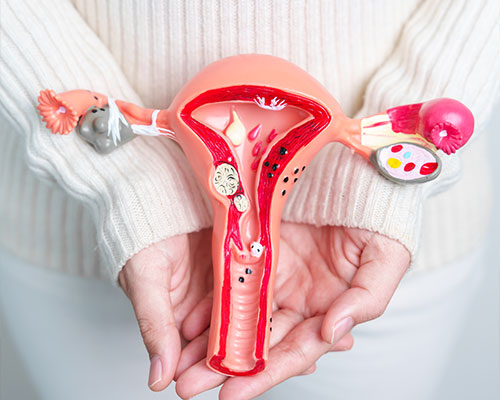
Initial diagnostic assessment involving semen analysis, pelvic ultrasound imaging, and quantitative hormonal profiling to identify underlying etiological factors impacting reproductive function.
 Controlled Ovarian Stimulation
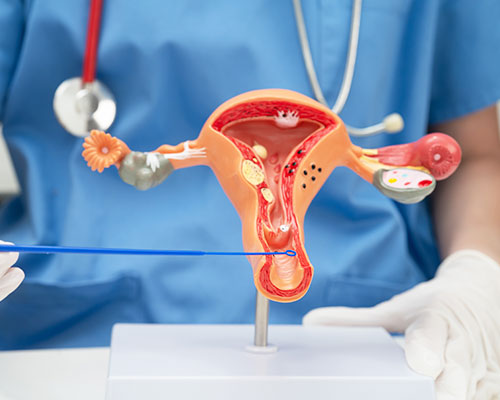
Administration of monitored hormonal medications to stimulate multi-follicular development and oocyte maturation, supporting subsequent laboratory fertilization steps.
 Transvaginal Oocyte Retrieval
Ultrasound-guided retrieval of mature oocytes performed under appropriate sedation or anesthesia, ensuring clinical precision and patient safety.
 Sperm Preparation and Fertilization
Laboratory preparation of spermatozoa and insemination or microinjection with retrieved oocytes within an embryology laboratory environment to facilitate fertilization.
 Embryo Culture and Transfer
Extended in vitro incubation of embryos followed by the transfer of a selected embryo into the uterine cavity via a fine catheter under professional supervision.
 Clinical Follow-Up and Pregnancy Testing
Quantitative serum beta-hCG testing performed approximately 12 to 15 days following embryo transfer to evaluate clinical pregnancy outcomes and guide subsequent management steps.
Each stage of the assisted reproductive treatment workflow is executed under professional clinical standards, combining individualized patient care and evidence-based protocols.
Selecting a qualified reproductive medicine specialist involves evaluating professional training, clinical experience, and adherence to evidence-based medical standards. Clinical practices utilizing advanced laboratory infrastructure and structured protocols support individualized patient management and ethical care delivery.
Key principles governing professional fertility care include:

Clinical protocols are anchored in specialized training and evidence-based medical standards, ensuring adherence to safety, precision, and professional guidelines throughout treatment workflows.
Clinical management emphasizes detailed and transparent patient counseling regarding diagnostic findings and treatment protocols. Transparent communication supports informed patient decision-making in accordance with medical ethics (IVF specialist in Siliguri).


Assisted reproductive treatment pathways are customized following comprehensive evaluations of ovarian reserve, gamete parameters, hormonal profiles, and uterine factors, ensuring individualized clinical management rather than standardized protocols.
Clinical evaluations address both female and male reproductive factors within structured treatment plans. Conditions such as PCOS, male factor subfertility, and endometriosis are managed under professional medical protocols with strict patient confidentiality.

These educational video resources provide medical information and awareness regarding reproductive health, etiological factors, and clinical treatment procedures. Dr. Shefali Bansal Madhav, a fertility specialist in Siliguri, provides these resources to support structured patient education and informed medical decision-making.
Protocol investments for assisted reproduction vary based on individual diagnostic findings, required pharmacological agents, and specific treatment procedures. Standard IVF protocol pricing differs from specialized interventions such as ICSI or donor gamete protocols. Comprehensive financial counseling is provided following initial clinical consultation.
Assisted reproductive outcome parameters are influenced by multiple clinical factors, notably maternal age, baseline ovarian reserve, gamete parameters, and overall health status. While younger cohorts generally exhibit higher success rates, individualized protocol planning and advanced laboratory support optimize clinical care.
Assisted reproductive procedures utilize minimally invasive techniques and professional supervision to maintain patient comfort. Transvaginal oocyte retrieval is performed under appropriate sedation or anesthesia, allowing patients to resume routine activities following standard post-procedure observation.
Yes. Assisted reproductive procedures performed under professional medical supervision and established clinical standards are structured to ensure maternal safety and perinatal health through continuous monitoring during and after treatment.
Maintaining an optimal Body Mass Index (BMI), adopting a balanced diet, avoiding tobacco use, limiting alcohol consumption, managing stress levels, and adhering to clinical guidance support general well-being during reproductive evaluations.
A standard in vitro fertilization (IVF) cycle typically spans 4 to 6 weeks, encompassing controlled ovarian stimulation, oocyte retrieval, laboratory fertilization, and embryo transfer.
Male factor subfertility is evaluated via semen analysis and managed using advanced assisted reproductive technologies such as Intracytoplasmic Sperm Injection (ICSI) or IUI when clinically indicated.
Regulatory guidelines in India outline age parameters for assisted reproductive treatments (typically 21 to 45 years for female patients and 21 to 50 years for male patients), with clinical success outcomes varying according to baseline maternal age and ovarian reserve.
While assisted reproductive procedures are established medical protocols, potential clinical risks include Ovarian Hyperstimulation Syndrome (OHSS), multiple gestation, and minor procedural complications associated with oocyte retrieval, which are mitigated through close clinical monitoring.