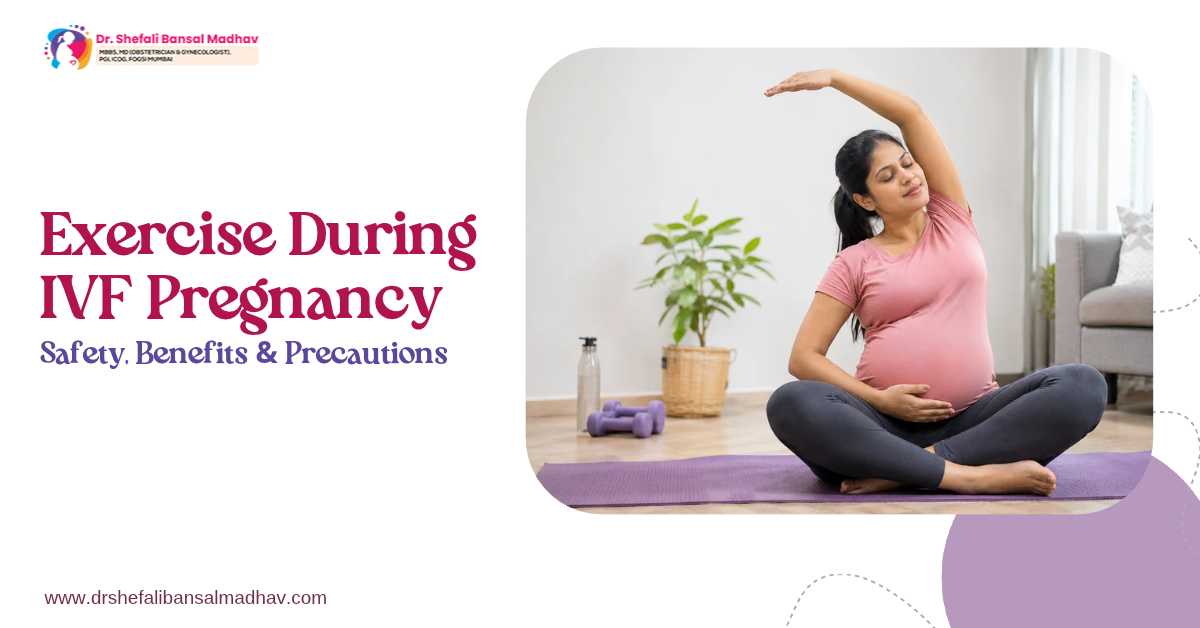





Every expectant parent prioritizes sustaining a healthy pregnancy after the emotional and physical journey of fertility treatment. Physical activity is a key aspect of maternal wellness. However, is it healthy to exercise during an IVF pregnancy? If you are receiving treatments like IVF in Siliguri, get medical guidance from your doctor on lifestyle, including workouts.
Exercise during IVF pregnancy is defined as participating in physical activities following conception by assisted reproductive technology. Expectant mothers should follow modifications based on their health, the stage of the pregnancy, and medical advice. While exercise is typically good throughout a simple pregnancy, unique fertility-related and obstetric factors may necessitate extra care during an IVF pregnancy.
Is Exercise Safe During an IVF Pregnancy?
If your pregnancy is going well and your obstetrician has not found any medical contraindications, then it may be safe to exercise during an IVF pregnancy. However, rather than a general workout recommendation, IVF pregnancies may need individual assessment. Doctors may consider your past fertility treatments, current pregnancy status, ovarian health, and any present issues.
What are the Advantages of Exercise During IVF Pregnancy?
Routine exercise has various advantages for pregnant women, including those who conceive through IVF. But if doctors restrict any expectant women from exercise, there is a reason.
· Encourages the management of a healthy weight
Gaining weight is a natural part of pregnancy in order to support the developing fetus. Too much exercise or weight gain during pregnancy, however, may make some issues more likely.
A balanced diet and moderate exercise can assist good weight management throughout pregnancy.
· Improves cardiovascular health
Maintaining cardiovascular fitness is aided by moderate aerobic exercises like walking. They enhance general physical endurance and support lung and heart health.
As the body adjusts to the higher physical demands of pregnancy, these advantages may support your well-being.
· Reduces constipation and back pain. Backache and constipation are common pregnancy-related problems.
Mild exercise can promote regular bowel movements, strengthen muscles, and increase mobility, but pregnancy-appropriate stretching and walking are vital.
· Promotes emotional health. Pregnancy following fertility therapy may cause further anxiety, and IVF treatment can cause some level of mental stress.
Engaging in physical activity that your doctor advises can elevate mood, lower stress levels, and enhance the quality of sleep. Plus, gentle exercise offers a chance to focus on one's own well-being.
· May lower some pregnancy risks. Regular moderate exercise during a pregnancy may lower the risk of gestational diabetes, pregnancy-related hypertension problems, and excessive gestational weight gain.
Exercise, however, cannot ensure that these disorders won't develop, and personal risk factors still need doctors’ monitoring.
Exercises That May Help During an IVF Pregnancy
Selecting low-impact activities can be a sensible place to start. Your prior level of fitness, the stage of your pregnancy, and your doctor's advice may determine your exercise plan.
· Walking
An easy and accessible form of exercise during pregnancy is walking. Maintaining mobility, promoting circulation, and enhancing overall fitness may improve a leisurely daily stroll. If you feel comfortable and your doctor gives the go-ahead, start with brief sessions and progressively extend them.
Avoid walking on uneven ground or in extremely hot weather, as these conditions increase the risk of falling.
· Prenatal Yoga
Prenatal yoga includes relaxation, breathing exercises, and mild stretching.
It might enhance your emotional health, flexibility, and posture. However, choose pregnancy-specific programs and avoid uncomfortable positions, hot yoga, deep twists, strenuous abdominal activities, et al.
· Gentle Strength Training
Strength training that is suitable during pregnancy may help preserve your posture and muscular strength.
Under expert supervision, mild bodyweight workouts and light resistance bands may be taken into consideration. Do not include exercises that put undue strain on your abdomen, hard lifting, or holding your breath.
What is the amount of exercise during an IVF pregnancy?
150 minutes per week of moderate-intensity aerobic activity for women with uncomplicated pregnancies and no medical contraindications might help, but not for all expectant mothers.
This can be broken up into smaller, more manageable periods like:
· Five days a week, 30 minutes of moderate exercise.
· Throughout the day, three 10-minute sessions.
· Shorter walks like 5- to 10-minute walks in the morning and evening each.
What Exercises and Activities to Avoid During IVF Pregnancy
The risk of injury, hyperthermia, falls, or severe physical strain may increase with several exercises. Avoid:
· Exercises involving jumping, abrupt movements, or excessive bouncing are considered high-impact.
· Lifting large weights that put a lot of strain on the abdomen or involve holding your breath is known as heavy weightlifting.
· Football, basketball, and martial arts are examples of contact sports that may cause stomach injuries.
· Excessive hyperthermia may result from hot yoga and hot Pilates.
· High-risk outdoor pursuits include off-road cycling, downhill skiing, and horseback riding.
· Crunches and vigorous exercises putting undue pressure or discomfort on the abdomen are examples of intense abdominal exercises.
Safety Measures for Exercise During IVF Pregnancy
Physical exercise can be safe and comfortable by taking reasonable safeguards.
· Before you begin or continue an exercise regimen, speak with your obstetrician about your IVF history, the status of your pregnancy, and any health issues.
· Stay hydrated to lo lower the risk of dehydration; drink enough water before, during, and after physical activity.
· Prevent overheating, so dress comfortably and avoid working out in hot or muggy conditions.
· If you weren't physically active prior to becoming pregnant, start with short, gentle sessions.
· During pregnancy, fatigue, discomfort, and fluctuating energy levels are typical. Make the necessary adjustments to your activities.
· When exercising later in pregnancy, stay away from resting flat on your back for extended periods of time.
When Should You Contact Your Doctor and Quit Exercise?
While moderate activity is normally safe throughout a simple pregnancy, some symptoms need fast medical support.
Give up working out and consult a doctor if you encounter:
· Fluid leaking or vaginal bleeding.
· Painful contractions or ongoing stomach pain.
· Lightheadedness or passing out.
· Dyspnea or chest pain prior to effort.
· Unexpected weakness or a severe headache.
· Swelling or soreness in the calf.
Urgent medical evaluation is important for severe abdominal pain, especially on one side, sudden abdominal swelling, or breathing difficulties, especially after fertility treatment.
Final Words
When practised with a doctor's permission, exercise can support a mother's health during an IVF pregnancy. Exercises that promote cardiovascular health, physical comfort, and mental wellness include walking, prenatal yoga, mild strength training, etc.
You might seek guidance at a test tube centre in Siliguri City or near you.
FAQs:
1. Can I work out while I'm pregnant with IVF?
If your doctor allows you, moderate activity can be helpful with IVF pregnancies.
2. Is it safe to walk during an IVF pregnancy?
When there are no medical constraints, comfortable walking can help you.
3. Can exercise cause miscarriage after IVF?
In uncomplicated pregnancies, moderate exercise usually does not increase the risk of miscarriage.
4. Is it possible to practice yoga while pregnant with IVF?
Modified yoga tailored to your pregnancy might be helpful.
5. Can exercise during IVF pregnancy support mental health?
Guided exercise during IVF pregnancy may help you improve mood and energy.